
What Are Febrile Seizures?
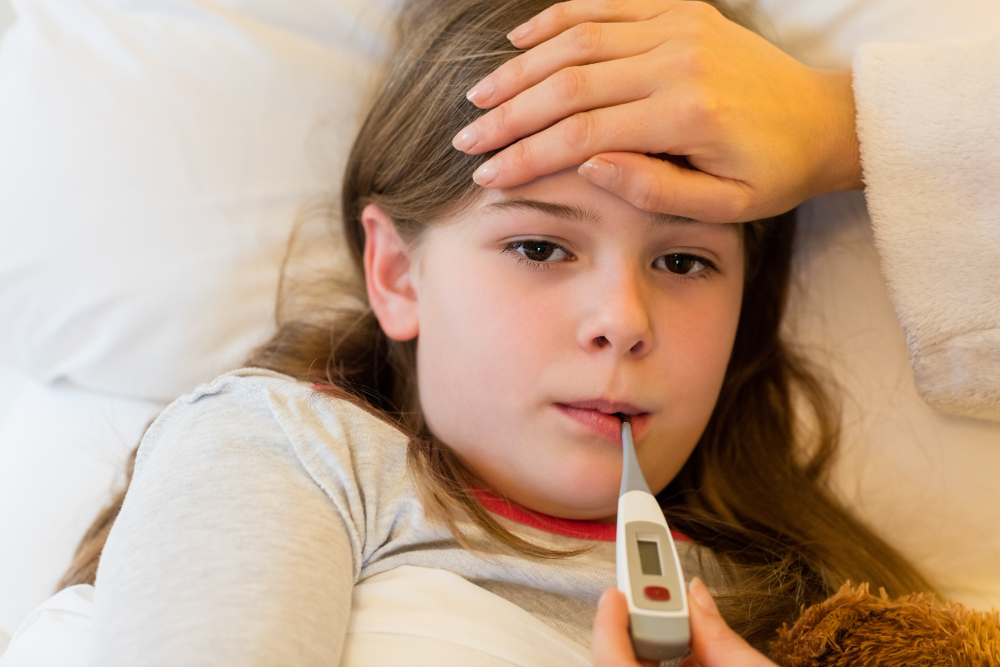
Febrile seizures in children are convulsions that happen when a child has a fever. Usually, these seizures occur in children between 6 months and 5 years old. In the United States, about 2% to 5% of children experience febrile seizures. Although these seizures can be scary, most are not harmful and do not cause long-term problems. However, knowing what to do can help parents stay calm and act quickly.
Common Symptoms of Febrile Seizures
Febrile seizures often start suddenly. For example, your child may be playing one moment and then have a seizure the next. Watch for these signs:
Most febrile seizures last less than five minutes. Afterward, your child may be sleepy or confused for a short time. Still, it is important to watch your child closely during and after a seizure.
Causes and Risk Factors
Febrile seizures in children are usually caused by a sudden rise in body temperature. Often, this happens during common illnesses, such as ear infections, colds, or the flu. Sometimes, a child may have a seizure even before parents notice a fever. Although any child can have a febrile seizure, some factors increase the risk:
According to the CDC, febrile seizures are not linked to epilepsy or long-term brain damage. However, children who have had one febrile seizure may have another, especially within the next year.
How Febrile Seizures Are Diagnosed
Doctors diagnose febrile seizures in children by asking about the child’s symptoms and medical history. They may also perform a physical exam. In most cases, no special tests are needed. However, if the seizure lasted longer than five minutes or if your child is younger than six months, the doctor may order tests. These can include:
Usually, doctors do not need to do brain scans or EEGs unless the seizure was unusual or repeated.
Treatment and First Aid Steps
Most febrile seizures in children stop on their own. Still, knowing how to handle febrile seizures is important. If your child has a seizure, follow these steps:
If the seizure lasts longer than five minutes, call emergency services right away. Also, seek help if your child has trouble breathing or does not wake up after the seizure.
Prevention Tips for Parents
While it is not always possible to prevent febrile seizures in children, you can lower the risk by managing fevers early. Here are some tips:
Even with these steps, some children may still have febrile seizures. However, most children outgrow them by age five.
When to Seek Medical Help
Although most febrile seizures are not dangerous, you should seek medical help if:
In any emergency, call 911 or your local emergency number right away.
Conclusion
Febrile seizures in children can be frightening, but most are not harmful. With the right knowledge, parents can act quickly and keep their child safe. If your child experiences a febrile seizure, consult a pediatrician for personalized advice.