
Introduction
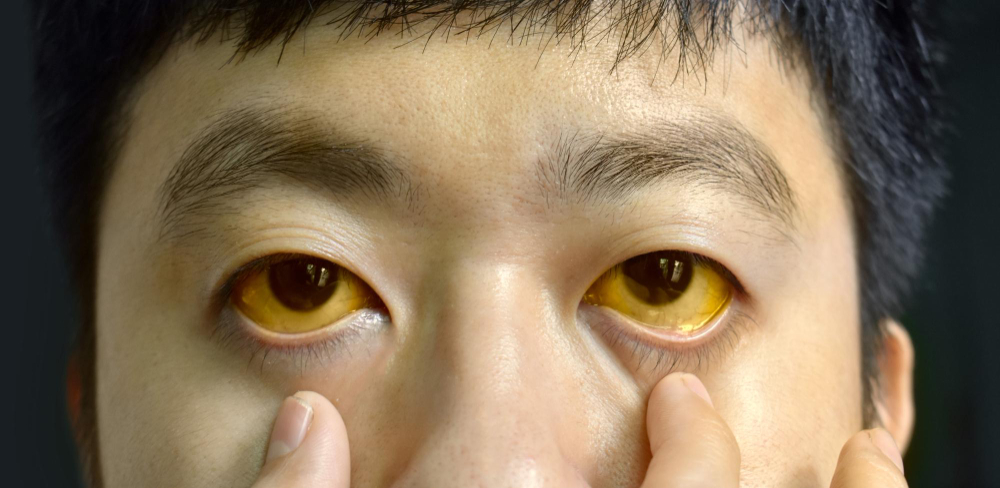
Pediatric jaundice is a common condition in babies and young children. It happens when a yellow color appears in the skin and eyes. This yellowing is due to high levels of bilirubin in the blood. Bilirubin is a substance made when the body breaks down old red blood cells. While mild jaundice in newborns is often harmless, it can sometimes signal a more serious problem. Therefore, understanding pediatric jaundice is important for every parent.
Symptoms of Pediatric Jaundice
Recognizing signs of jaundice in babies helps parents act quickly. Early detection can prevent complications. Common symptoms include:
Sometimes, symptoms may be mild. However, if you notice any of these signs, it is best to contact your doctor.
Common Causes
There are several reasons why pediatric jaundice can develop. Some causes are harmless, while others need medical care. The most common causes include:
Although most cases are mild, some causes need quick treatment. For example, infections or blood group issues can be serious.
Diagnosis Methods
Doctors use several ways to diagnose pediatric jaundice. Early diagnosis helps prevent problems. Common methods include:
Because early diagnosis is key, doctors often check newborns for jaundice before they leave the hospital.
Treatment Options
Treatment for pediatric jaundice depends on the cause and how high the bilirubin level is. Many babies do not need treatment. However, some may need help. Common treatments include:
Most babies recover fully with proper care. Still, it is important to follow the doctor’s advice closely.
Prevention Tips
While not all cases of pediatric jaundice can be prevented, some steps can help lower the risk. For example:
Because some causes cannot be avoided, regular doctor visits are important.
When to See a Doctor
It is important to know when to seek medical help for jaundice in newborns. You should contact your doctor if:
Early treatment can prevent serious problems. Therefore, do not wait if you are worried.
Conclusion
Pediatric jaundice is common, especially in newborns. Most cases are mild and go away with time. However, some need medical care. If you notice signs of jaundice in your baby, do not ignore them. Consult a pediatrician for personalized guidance.