
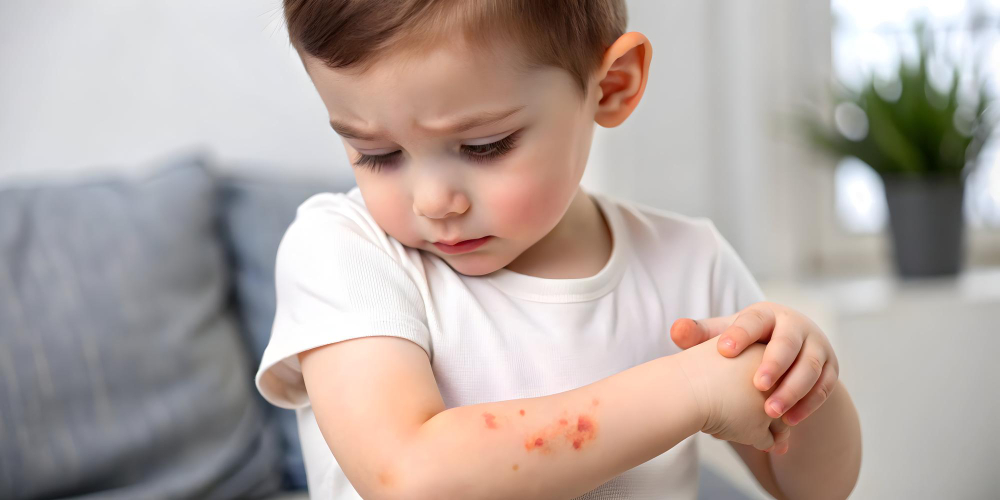
Skin infections in children are common and can cause worry for parents. These infections happen when germs like bacteria, viruses, or fungi enter the skin. Often, children get skin infections because their skin is sensitive and they play in groups. Early care can help prevent problems. In this blog, you will learn about the types, symptoms, causes, diagnosis, and treatment of skin infections in children. You will also find tips for home care and prevention. If you are in the United States, these tips apply to you as well.
Common Types of Skin Infections in Children
Children can get many kinds of skin infections. Each type has different causes and looks. However, knowing the most common types can help you spot them early.
Symptoms to Watch For
Skin infections in children can look different, but some signs are common. Therefore, watch for these symptoms:
If your child has any of these symptoms, you should pay close attention. Sometimes, symptoms can get worse quickly.
Causes and Risk Factors
Many things can cause skin infections in children. For example, bacteria, viruses, fungi, and even tiny mites can lead to infections. But some children are at higher risk. Here are some common causes and risk factors:
Because children often play together, infections can spread easily in schools or daycare centers.
Diagnosis and When to See a Doctor
Doctors can usually diagnose skin infections in children by looking at the skin. Sometimes, they may take a small sample for testing. If your child has a fever, severe pain, or the infection spreads quickly, you should see a doctor right away. In addition, if the infection does not improve after a few days of home care, medical help is needed.
Early diagnosis helps prevent serious problems.
Treatment Options
Treating skin infections in children depends on the cause. For example, bacterial infections often need antibiotics. Fungal infections may need special creams. Here are common treatment options:
Always follow your doctor’s advice when treating skin infections in kids. Do not use over-the-counter medicine without checking with a healthcare provider.
Home Care and Prevention Tips
Good home care can help your child heal faster. In addition, it can stop the infection from spreading. Try these tips:
Because prevention is key, these steps can lower the risk of skin infections in children.
When to Seek Emergency Care
Sometimes, skin infections in children can become serious. Therefore, seek emergency care if you notice:
Quick action can prevent serious health problems.
In summary, skin infections in children are common but treatable. Early care, good hygiene, and knowing when to see a doctor can help your child recover quickly. Consult a pediatrician for personalized advice about skin infections in children.